There are artists who dominate charts, and there are artists who go viral. These are the metrics we have grown used to, the ones that define who is considered “mainstream” and who is not. Numbers are visible, easy to compare, and often treated as the clearest measure of success.
But sometimes, there are moments that do not fit neatly into those metrics.
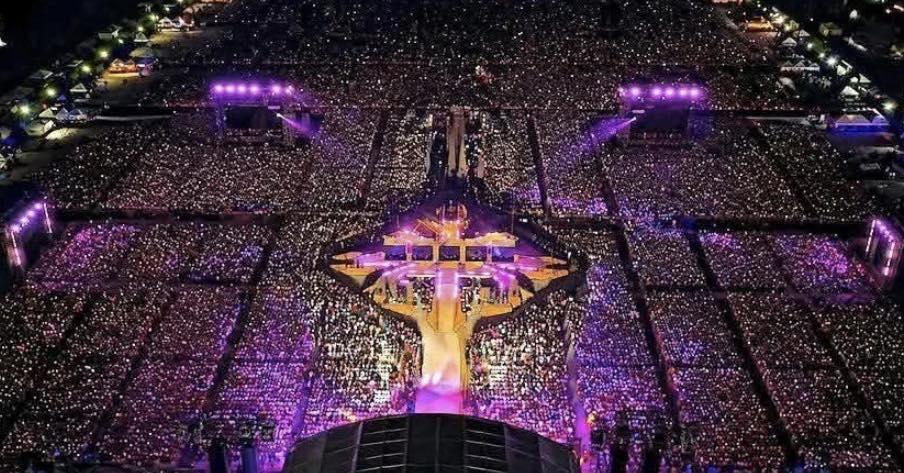
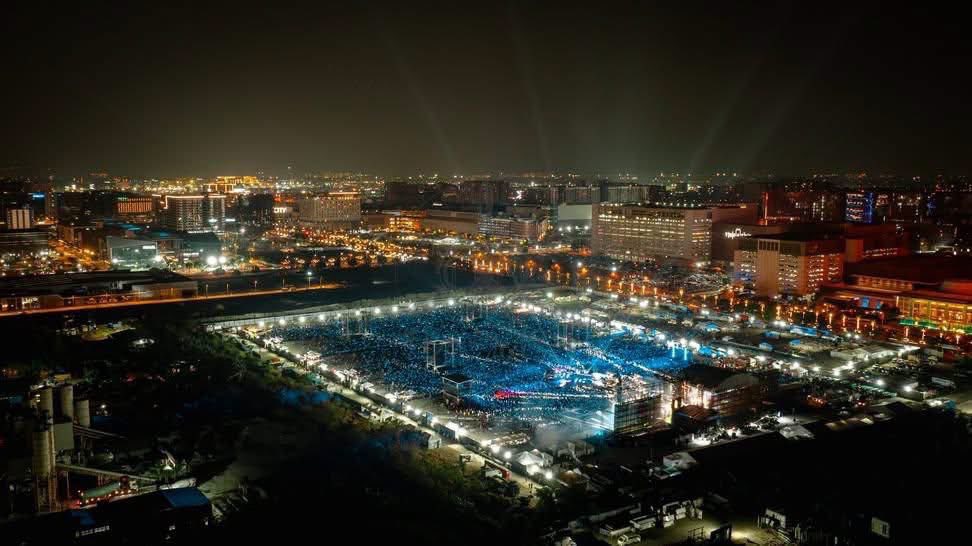
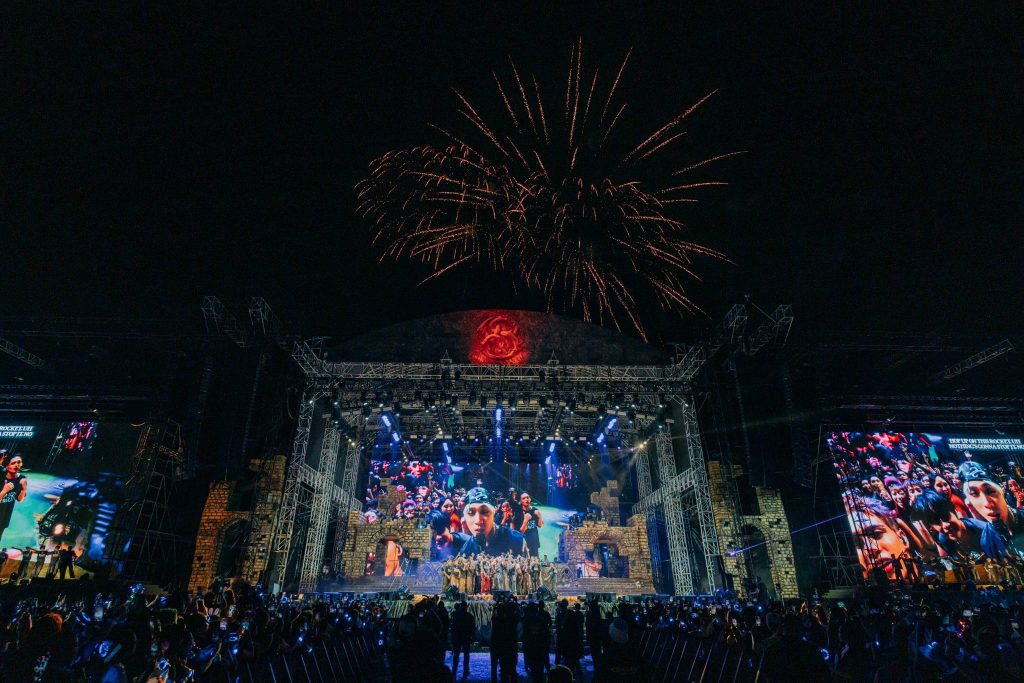
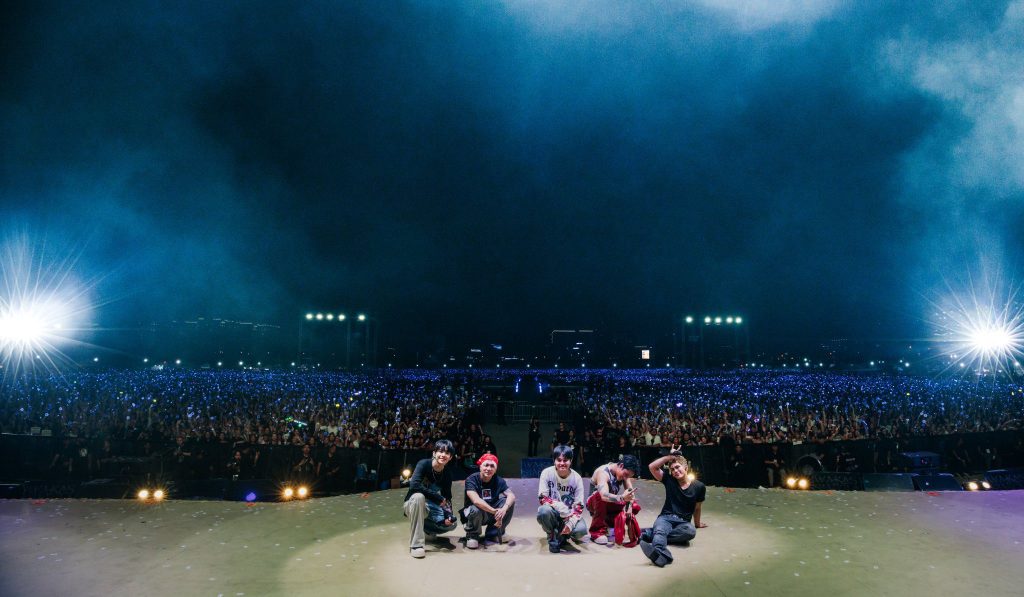
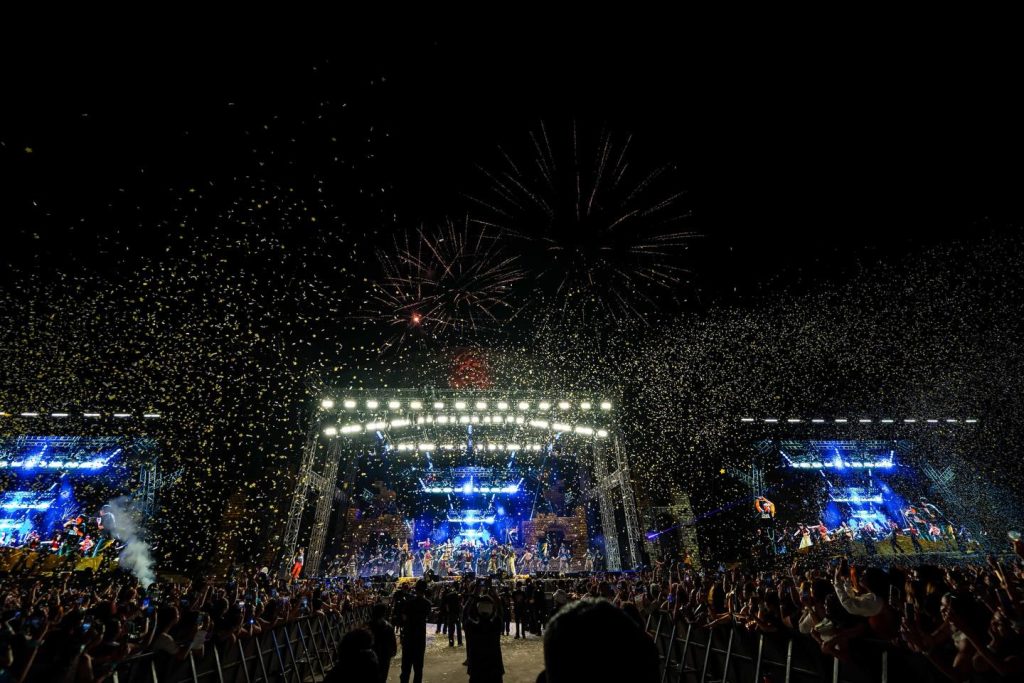
On April 18, at the SMDC Concert Grounds, SB19’s Wakas at Simula: Trilogy Finale gathered over one hundred thousand people in a single place, in a single night. A sea of lightsticks stretched as far as the eye could see, voices moved in unison, and strangers stood side by side, connected by something that went beyond a setlist. It looked like a concert, but it felt like something else entirely.
In that space, it became clear that SB19’s story was never built on numbers alone. It was built on people who chose to stay, to show up, and to grow alongside them over time. The kind of support that does not fade after a viral moment, but instead deepens with every release, every performance, and every shared experience.
For SB19, A’TIN has never been just an audience. They say it often, in ways both big and small, through speeches, credits, and acknowledgments that many people overlook. At one point, Pablo described A’TIN not just as supporters, but as part of the marketing team itself, not behind them or beneath them, but working alongside them in building something bigger than music.
This is where the idea of “mainstream” begins to fall apart. Because if success is measured purely by streams, SB19 does not always appear to be the biggest act in the room. But if success is measured by presence, loyalty, and a community that actively participates in an artist’s journey, then SB19 is operating on an entirely different level.
So maybe the question is not why SB19 is successful. Maybe the real question is whether we have been measuring success the wrong way all along.
I. Beyond Streams: A Different Kind of Success
It is easy to understand why people look at streaming numbers first. They are immediate, visible, and constantly updating, creating a sense of scale that feels definitive. In today’s music industry, streams are often treated as the clearest indicator of popularity.
But streams only tell part of the story.
They measure reach, not depth. They show how many people clicked play, but not how many stayed, returned, or built a lasting connection with the artist. A viral song can gather millions of streams in a short period of time, but that momentum does not always translate into long-term support.
SB19 exists in that gap between reach and depth. Their numbers may not always mirror the biggest mainstream acts, but what they have built is something far more enduring. Their audience does not disappear after one song or one trend. Instead, it grows stronger with time, reinforced by consistency, storytelling, and a relationship that extends beyond music consumption.
This difference becomes most visible outside digital platforms. While streams happen in isolation, presence requires intention. It requires people to show up, to invest time, money, and energy, and to choose the artist again and again. That is something no algorithm can manufacture.
II. The Metric Problem: Why Streams Don’t Tell the Whole Story
In today’s music industry, success is often measured through numbers. Streams, chart rankings, and monthly listeners are usually the first things people look at when deciding who is “mainstream” and who is not.
These metrics reflect reach. They show how far a song has traveled and how often it appears in people’s listening habits. A track that performs well on streaming platforms has, at the very least, captured attention.
But attention does not always translate to connection.
A stream can come from autoplay, curated playlists, or passing curiosity. It does not necessarily mean the listener is invested in the artist, the message, or the journey behind the music. In many cases, it reflects momentary engagement rather than lasting impact.
SB19’s model works differently.
Their music is not designed for quick consumption. It asks for attention, and more importantly, it invites people to stay. Once that connection forms, listeners do not remain casual. They become supporters, and over time, that support evolves into something more structured and intentional.
This is the difference between reach and depth.
Reach spreads wide, but depth holds people in place. While reach is easier to measure, depth is what sustains an artist over time.
III. Depth Over Virality: Why People Stay
One of the clearest differences between SB19 and many mainstream acts today lies in how their music is experienced.
A lot of artists benefit from algorithm-driven virality. A single track gains traction, gets picked up by playlists, and reaches millions of listeners quickly. The visibility grows fast, but it is not always guaranteed to last.
SB19’s music does not always follow what is considered easy listening. It leans into storytelling, layered production, and themes that require attention. Identity, growth, struggle, and ambition are recurring elements in their work. These are not always the easiest to package into viral content, but they create something more meaningful.
This is something even casual listeners begin to notice. There are people who initially needed more than one listen to fully appreciate the music, but once that connection forms, it tends to stay. The shift is gradual, but it is strong because the appeal is not just sonic, but emotional.
Their live performances reinforce this further. Many have noted that SB19 sounds even stronger on stage, where vocals, choreography, and production come together in a way that elevates the music. For some, it is only after seeing them perform live that the full weight of their artistry becomes clear.
This is why their growth may appear quieter on the surface, but stronger underneath. Viral music spreads fast, but it does not always hold people in place. Music with depth may take longer to reach listeners, but when it does, it creates a reason to stay.
IV. A’TIN as a System: When Fans Become Part of the Work
At this point, it becomes clear that SB19’s success is not just about the music, but about the relationship that surrounds it.
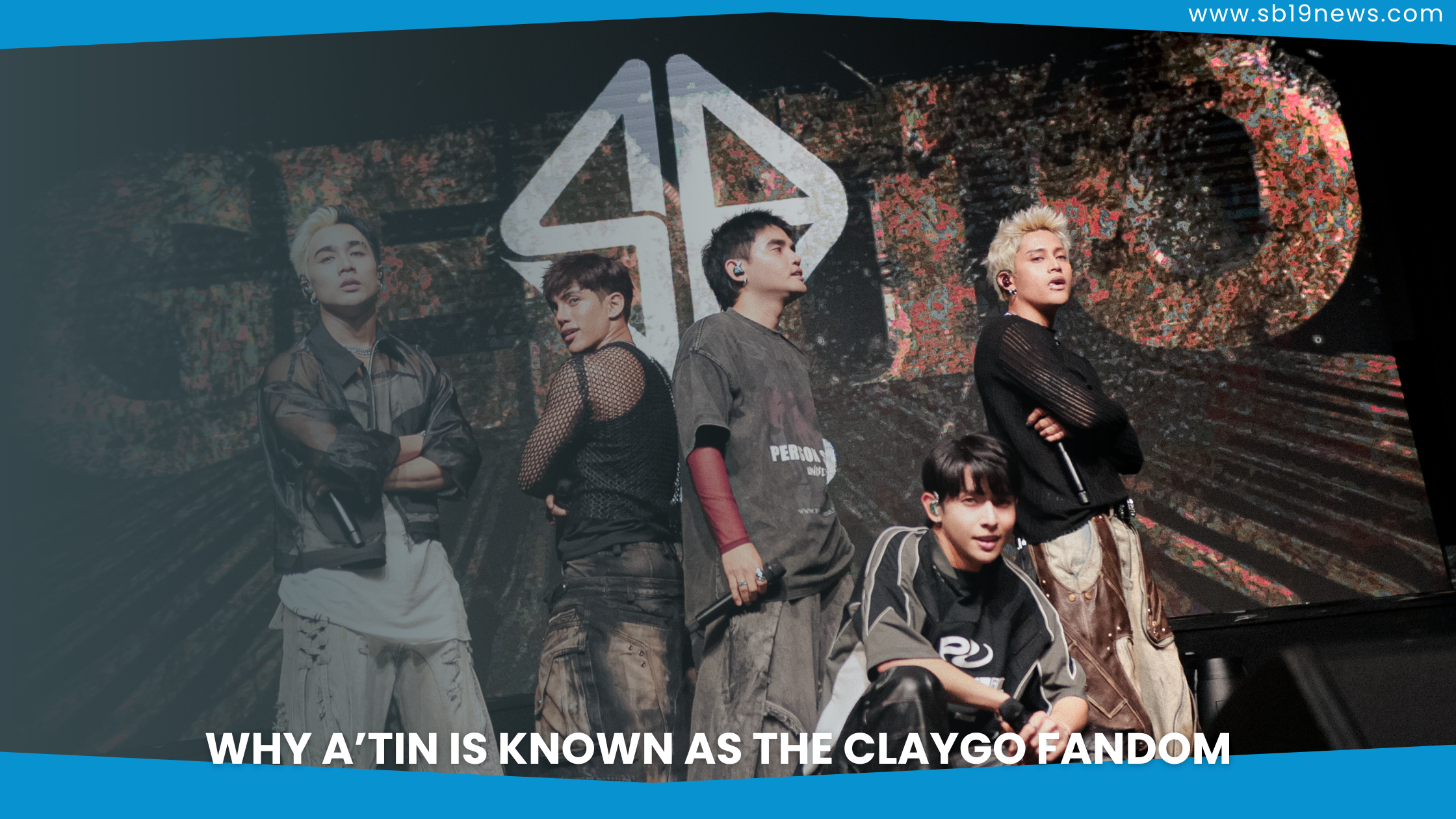
Photo: Live Nation
What they have built with A’TIN goes beyond the usual artist and audience dynamic. It feels collaborative, where both sides contribute to the growth of something shared. This is something the group has openly acknowledged, most clearly when Pablo described A’TIN as part of their marketing team.
This perspective changes how support works.
Fans are not positioned as passive consumers. They are participants. They organize, coordinate, and execute projects that amplify the group’s presence in ways that go beyond traditional promotion.
This became especially visible during Wakas at Simula: Trilogy Finale, where fan projects were not just present, but essential to the experience.
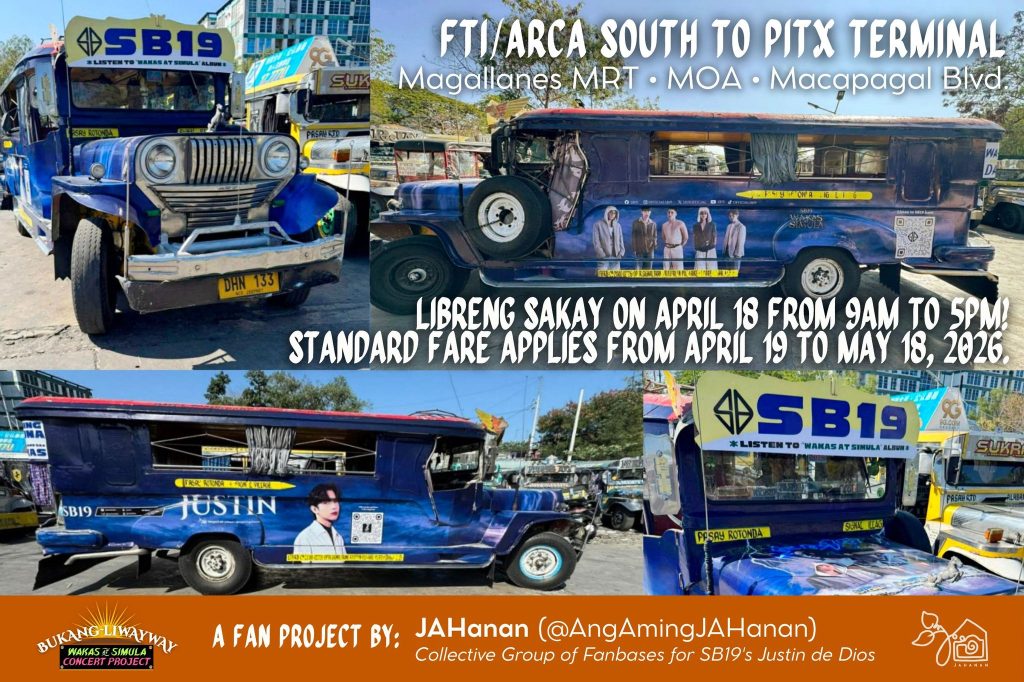
Ahead of the concert, JAHANAN launched Biyaheng Bukang Liwayway, a fan-led transport initiative that turned the journey to the venue into part of the experience. A blue SB19-themed jeepney began its route from FTI–Arca South as early as 9AM, making multiple trips throughout the day and offering libreng sakay to both concertgoers and everyday commuters. Even after April 18, it continued operating until May 18, extending the reach of the project beyond the concert itself. What started as a simple idea became a clear reflection of how A’TIN shows support—not just by arriving, but by making sure others can get there too.
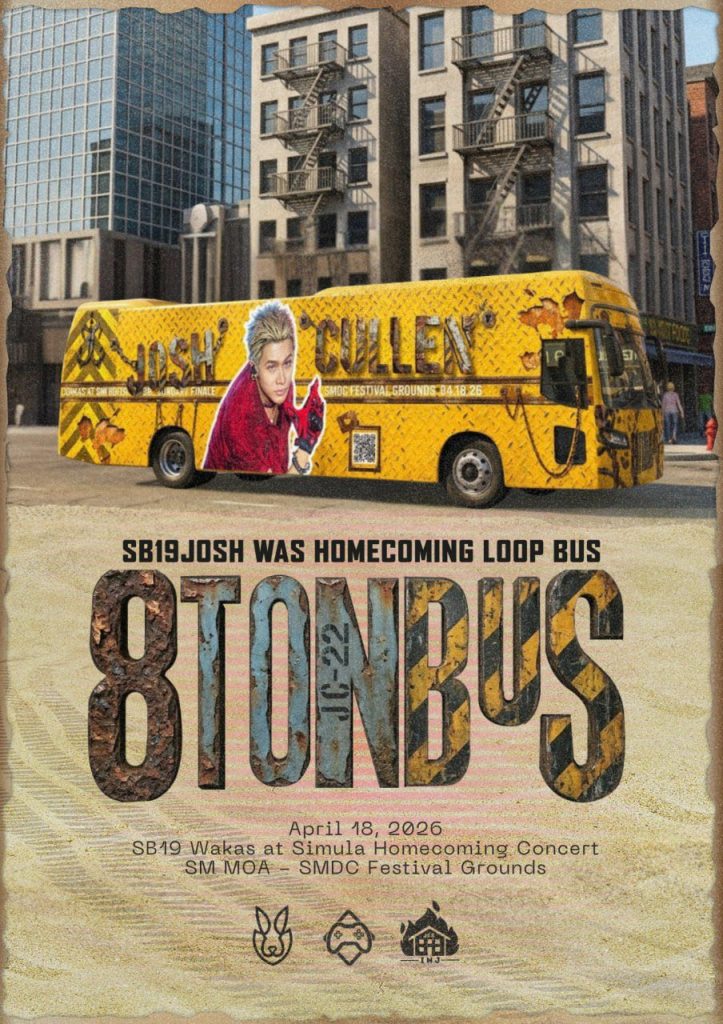
Cullenels brought scale and visibility through the 8TonBus, a homecoming loop shuttle that moved between SM MOA and the SMDC Festival Grounds on concert day. Running on a set schedule starting in the afternoon, the bus carried fans directly into the venue space while turning heads with its bold SB19 and Josh Cullen visuals. It functioned both as transport and moving promotion, creating presence even before fans stepped inside the grounds. More than convenience, it reinforced the idea that support can be organized, intentional, and built to be seen.
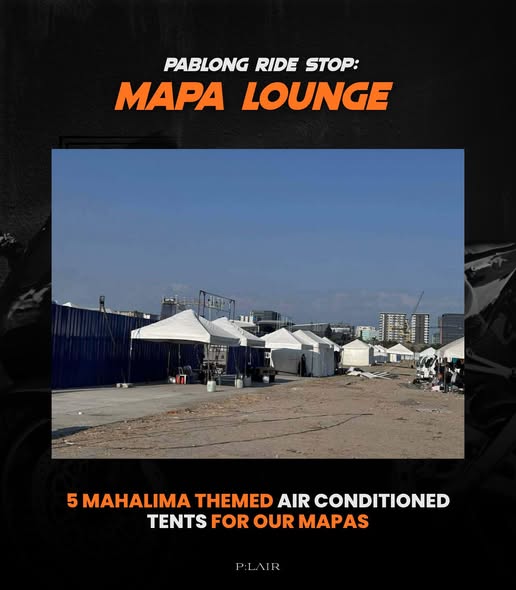
PLAIR created space for care through the MAPA Lounge, a set of five enclosed, air-conditioned areas dedicated to each SB19 member and designed for MAPAs, elderly fans, and anyone needing rest during the event. Located within the concert grounds, the lounges offered a quiet and safe environment in the middle of a high-energy space. It was a project rooted in awareness, recognizing that showing up looks different for everyone. In a crowd of thousands, it made room for those who needed to slow down, without taking them out of the experience.
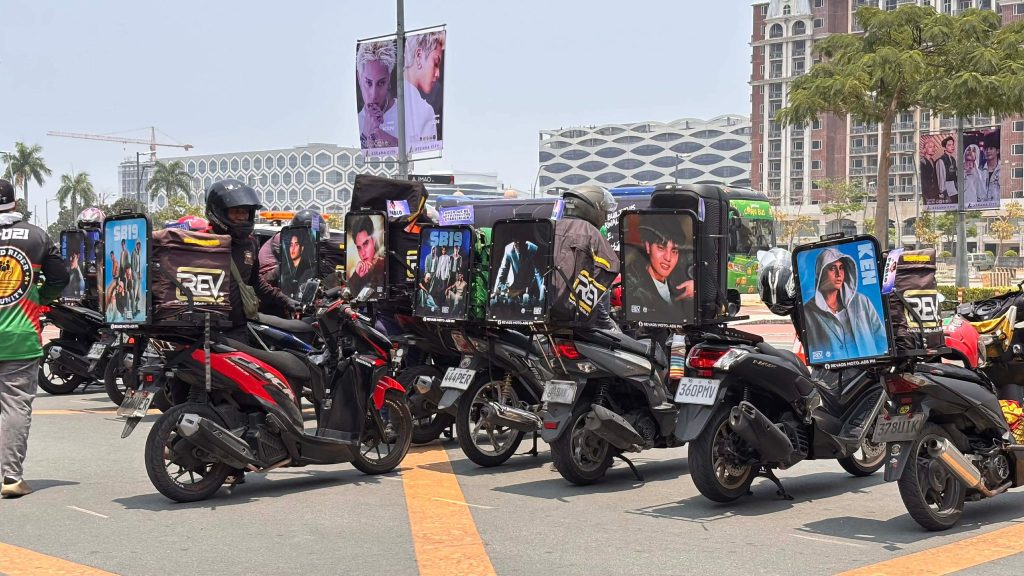
PLAIR extended the experience beyond the venue through the PABLONG RIDE Motorcade, bringing SB19 into the streets of Parqal through a coordinated moto-ad parade. Supported by fan contributions, the project came together through riders, organizers, and fans who even joined as backriders, turning movement into participation. The motorcade created visibility in public spaces, engaging not just fans but passersby as well. It showed how A’TIN does not wait for attention, but actively creates moments where the group can be seen and remembered.
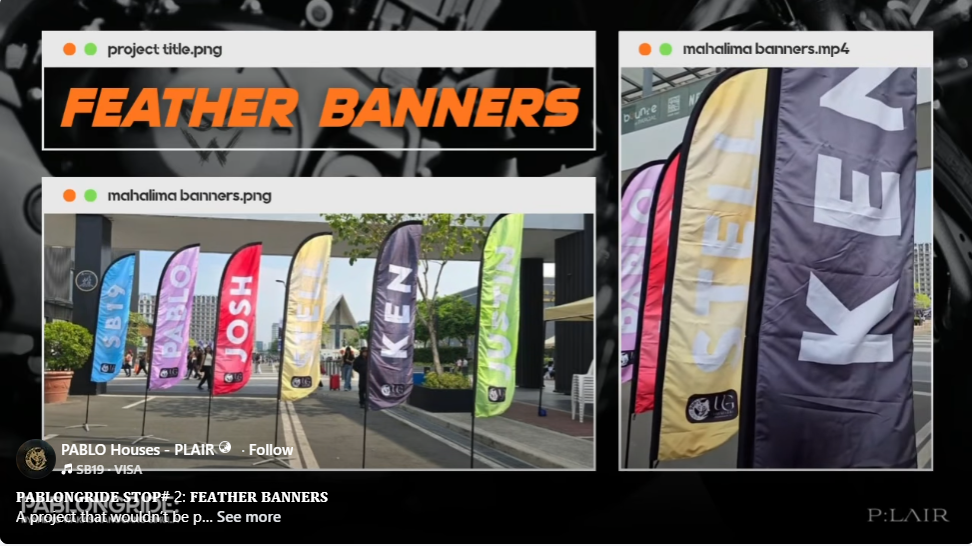
PLAIR amplified visibility across the venue through the Feather Banners, a series of tall, member-dedicated flags placed throughout the Fanzone to make SB19’s presence felt from every angle. Made possible through partnerships with sponsors and the coordinated effort of multiple Pablo fanbases, the banners created a consistent visual identity across the space, turning walkways into extensions of the concert experience. More than decoration, the project showed how fan support can shape the environment itself, making sure the group is seen, recognized, and celebrated even beyond the stage.
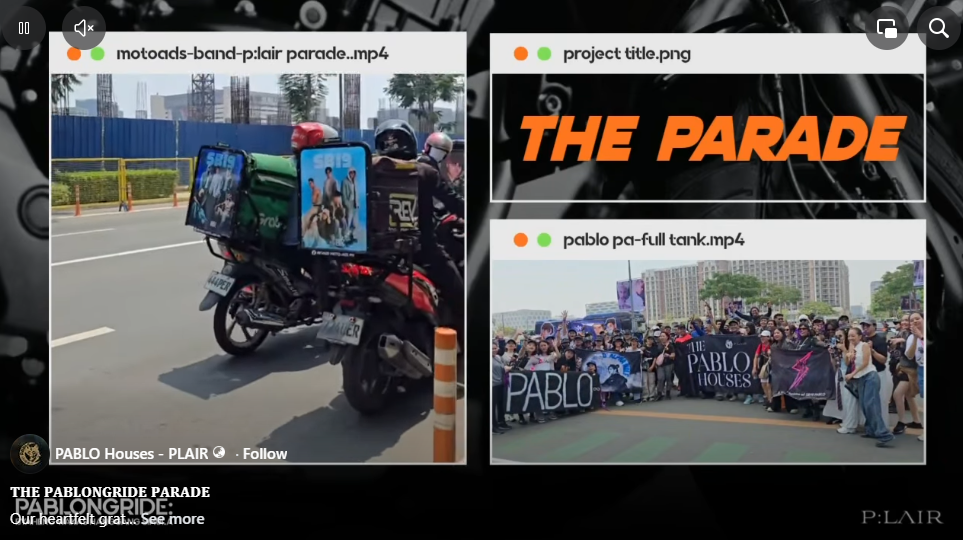
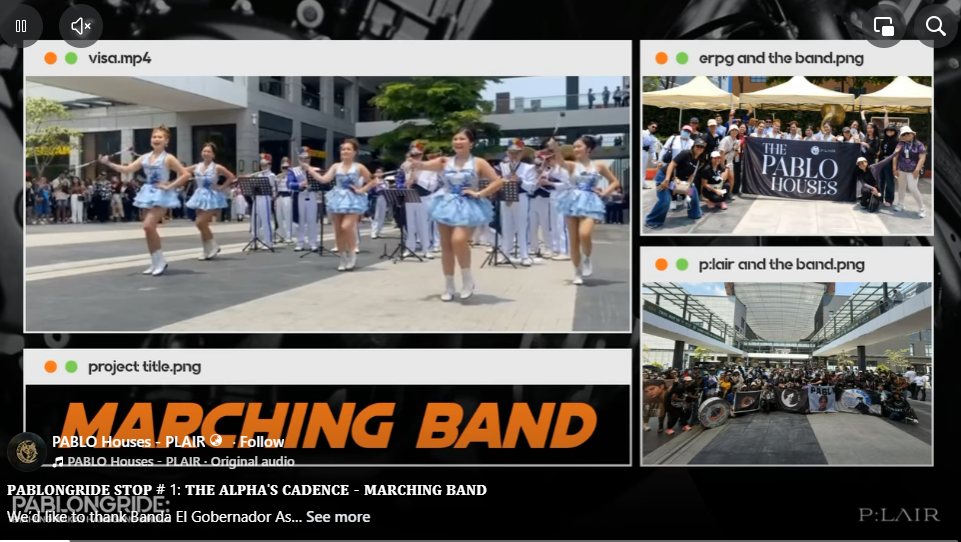
PLAIR turned movement into momentum with the PABLONGRIDE Parade, a coordinated march through Parqal that brought together a motorcade, a marching band, and a wave of A’TIN moving as one. Riders carried SB19 visuals across the route, while fans followed on foot, turning the space into something louder than a crowd and more organized than a typical fan gathering. Even under the heat, the energy held. It was not just about showing up, but about showing up together, visibly and intentionally, creating a moving statement of support that people could not ignore.
PLAIR opened the PABLONGRIDE with a live marching band that turned the space into a moving, breathing performance. Dancers and musicians led the way, drawing attention not just through visuals, but through sound and rhythm that carried across the area. It was the kind of presence you could not scroll past or ignore. People stopped, watched, and followed.
More than an opening act, it set the tone for everything that followed. It showed how support can be experienced in real time, not just seen online. The parade did not begin quietly. It began with impact, with coordination, and with a kind of energy that made it clear this was not just a fan project. It was a full-scale production built by people who chose to show up and make it felt.
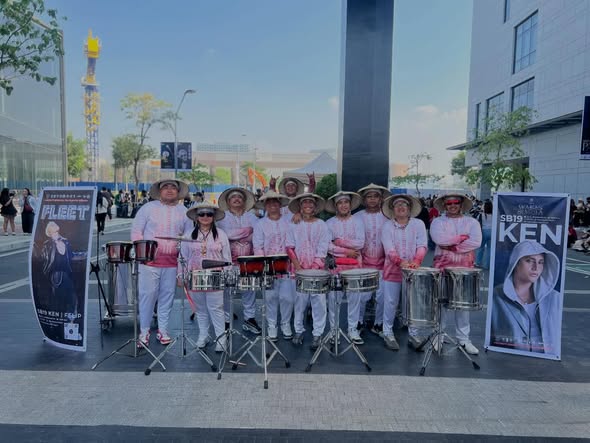
Casa Sinag brought rhythm into the space through Fleet Beats, a live drum performance by Empress Tribe de Manila that carried across the Fanzone and pulled people in. The sound was immediate and impossible to ignore. It did not ask for attention. It commanded it. Each beat added another layer to the atmosphere, turning waiting time into something alive and shared.
More than entertainment, it became a pulse that connected the crowd. People did not just pass by. They stopped, stayed, and felt the energy together. It was a reminder that support is not always quiet or distant. Sometimes, it is loud, physical, and right there in front of you, keeping the momentum going even before the concert begins.
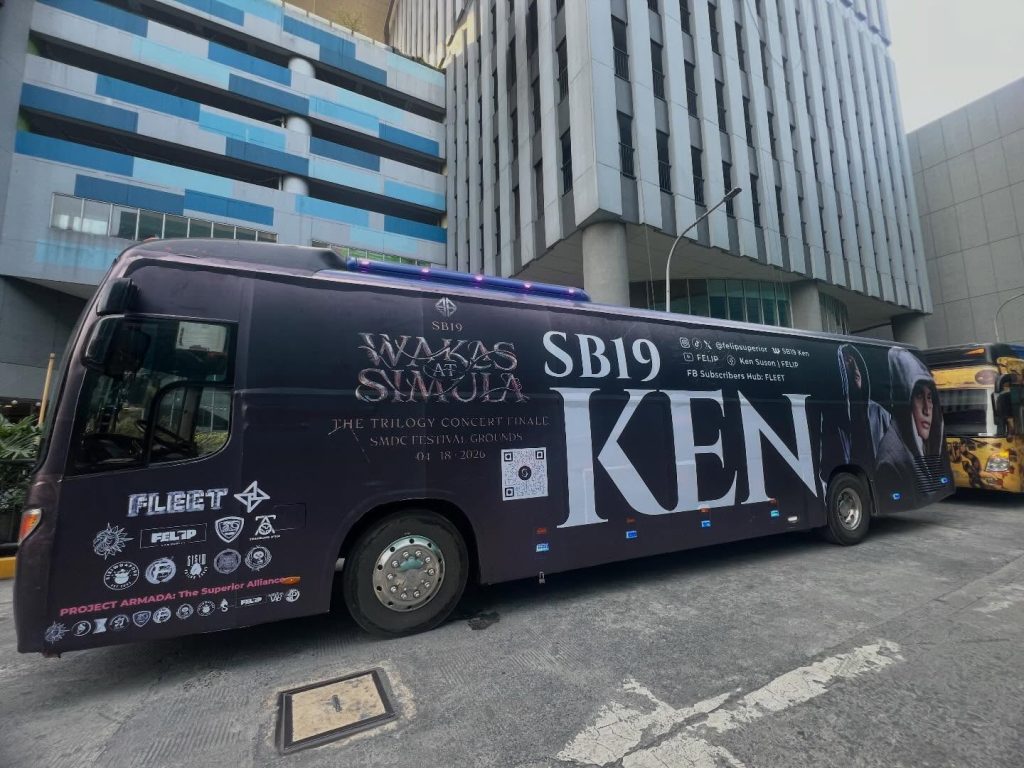
Casa Sinag brought the experience onto the road with the Rocksta Route Bus, a moving fan project that turned transportation into part of the event itself. Wrapped in SB19 and Ken visuals, the bus did not just carry passengers. It carried anticipation. It picked up fans along the way, building energy stop by stop before they even reached the venue.
More than a shuttle, it became a shared starting point. Riders were not just commuting. They were already part of something. With special freebies and a clear sense of direction, the project made sure the experience began long before the stage lights turned on. It showed how support moves, adapts, and meets people where they are, making every part of the journey feel intentional.
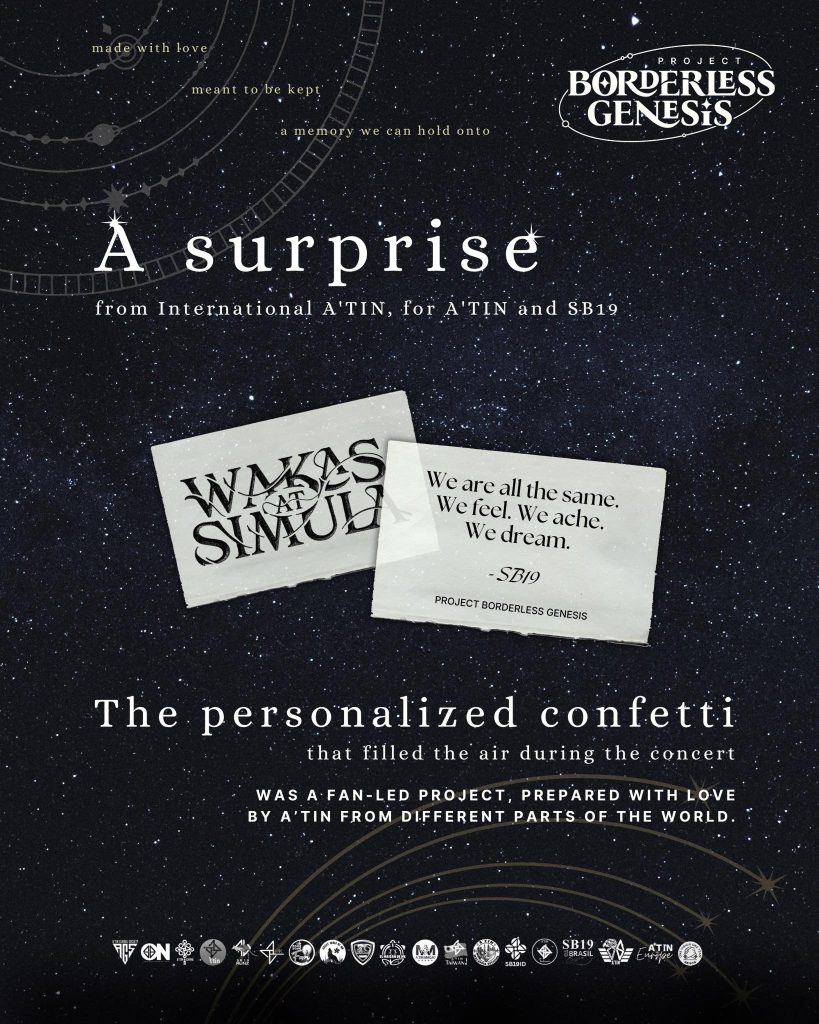
Project Borderless Genesis transformed a fleeting concert moment into something people could hold onto. What filled the air that night was not just confetti, but carefully prepared pieces carrying messages from SB19 themselves, created by international A’TIN for the crowd. Each piece was made with intention, using non-flammable materials, designed to be safe, meaningful, and kept long after the music faded.
More than a visual effect, it became something personal. Fans did not just watch it fall. They reached for it, read it, and kept it. In a space that already felt overwhelming, it added a quieter layer of connection, something small but deeply felt. It was a reminder that even in a crowd of thousands, the experience can still feel intimate, thoughtful, and shared in ways that stay long after the night ends.
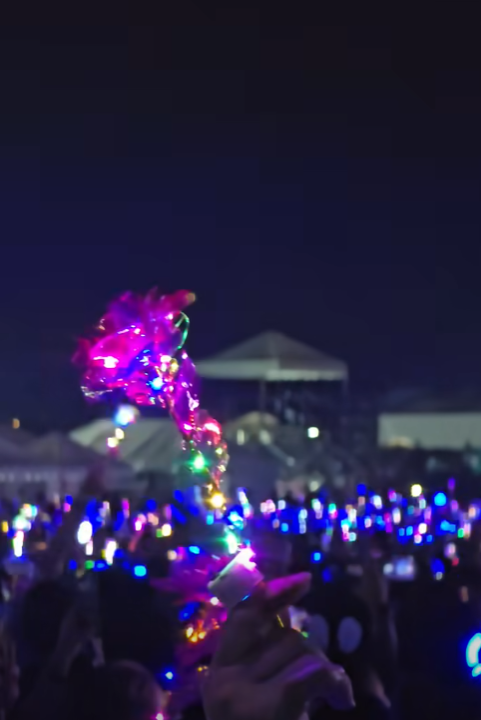
Project Nebula unfolded quietly, without public announcements or visible buildup, shared only through private messages among fans. Each participant came prepared with a galaxy rose, knowing exactly when their moment would come. As Stell’s part in Wakas began, those lights slowly rose across the crowd, one by one, until the space was filled with a soft, coordinated glow.
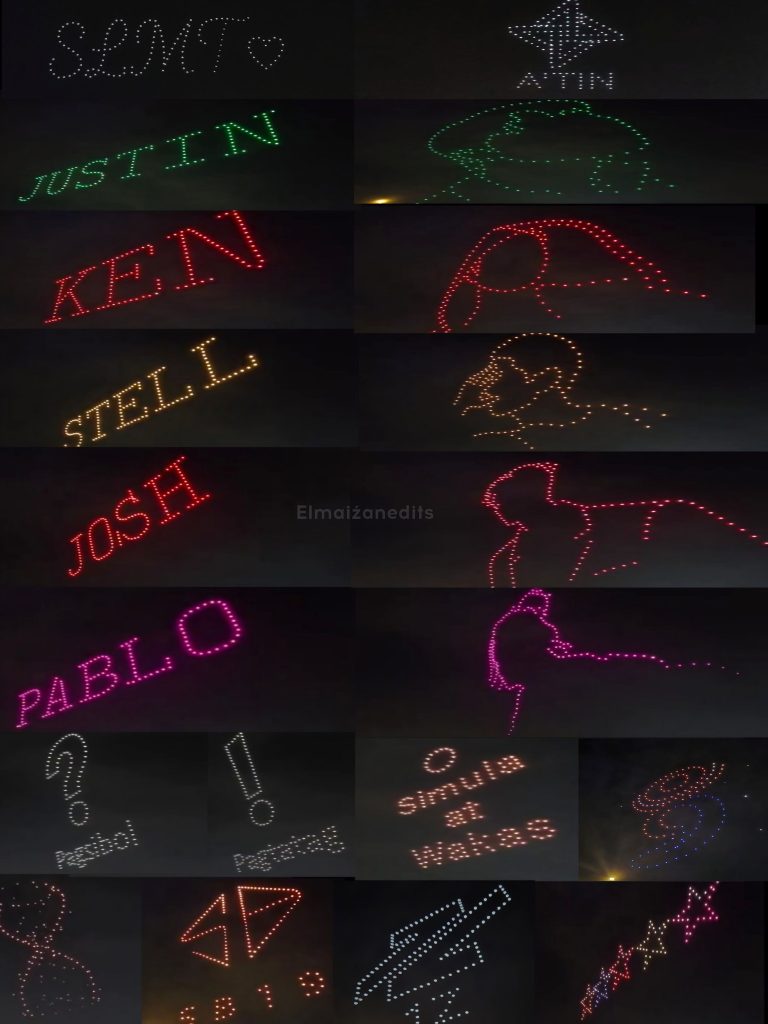
Project A’TIN Kronos closed the night by taking the experience beyond the stage and into the sky. As the concert ended and thousands began to make their way out, the atmosphere shifted once again. Lights appeared overhead, forming words, symbols, and silhouettes that every A’TIN instantly recognized. Names of the members, SB19 itself, and visuals tied to their journey unfolded in the air, turning the exit into one final shared moment.
It was not just a spectacle. It was a statement. Built through collective effort, funding, and coordination, the drone show reflected how far the fandom was willing to go to honor the group’s journey. Positioned at the very end, it did not compete with the concert. It extended it. It gave people one more reason to pause, look up, and feel that the night was not simply ending. It was being closed with intention, at full scale, by the same community that helped build it from the ground up.
These were not isolated efforts. Together, they formed a coordinated ecosystem built entirely by fans.
This level of organization reflects something deeper than enthusiasm. It reflects structure, trust, and a shared understanding that support is something that can be built and sustained.
P.S. If you know any fan project that I wasn’t able to add, please feel free to message me on Facebook.
V. The System They Broke
SB19’s success also challenges the traditional systems that define how artists are expected to grow.
In many cases, visibility depends on large-scale backing, industry connections, and formula-driven content designed to appeal to the widest possible audience. SB19 took a different route, building their career with a strong emphasis on creative control and direct connection with their audience.
Their music does not always align with what is considered algorithm-friendly, but it resonates in a way that encourages long-term engagement. Rather than chasing trends, they focused on building identity, both as artists and as a collective.
This approach does not produce instant dominance, but it produces longevity.
They did not remove themselves from the system entirely, but they proved that it is possible to move differently within it. By prioritizing connection over visibility, they created a model that does not rely solely on external push, but is sustained by internal support.
VI. Redefining What Success Looks Like
The conversation around SB19 often returns to numbers, but those numbers do not fully capture what has been built.
Success is not a single metric.
Streams measure reach, but they do not measure commitment. Charts reflect visibility, but they do not reflect depth. What SB19 and A’TIN have built exists in the space between those metrics, where connection, trust, and participation become the defining factors.
Moments like Wakas at Simula are not just large-scale events. They are proof of a different kind of success, one that is built not just on attention, but on people who choose to stay and continue building.
In the end, SB19’s story suggests that success is not only about how far the music travels, but how deeply it matters.
And that is something no number can fully capture.
JOIN OUR FACEBOOK GROUP!
📣 Continue the discussion with fellow A’TIN in our group: SB19 News and Updates. We’d love to hear your take!


Facebook Comments